Get Concrete Edging Installation
Concrete edging installation services help property owners define gardens, pathways, and borders, solving issues with uneven terrain and enhancing curb appeal through professional craftsmanship.
Concrete edging installation is a practical enhancement for property boundaries, garden beds, walkways, and other landscape features. Property owners in the area often explore this work to improve curb appeal, define outdoor spaces, and add durability to landscape borders. Whether planning a new project or upgrading existing features, understanding the options available can help in making informed decisions. Keep reading to discover how local contractors can assist in creating durable, attractive concrete edges that complement your property.
Choosing the right service provider involves comparing local contractors who specialize in concrete edging installation. Many property owners find value in consulting experienced professionals to ensure the work is completed to their specifications and withstands the test of time. By exploring local options, property owners can identify skilled service providers capable of handling a variety of landscape edging needs, making it easier to plan and execute successful outdoor improvements.
- Garden borders - when defining planting areas or creating a polished landscape appearance.
- Pathway edging - to establish durable and attractive walkways around yards or garden spaces.
- Driveway borders - for enhancing curb appeal and preventing soil or gravel from spreading onto driveways.
- Landscape transitions - when creating smooth and visually appealing separations between different yard sections.
- Erosion control - to stabilize soil and prevent erosion in sloped or vulnerable areas.
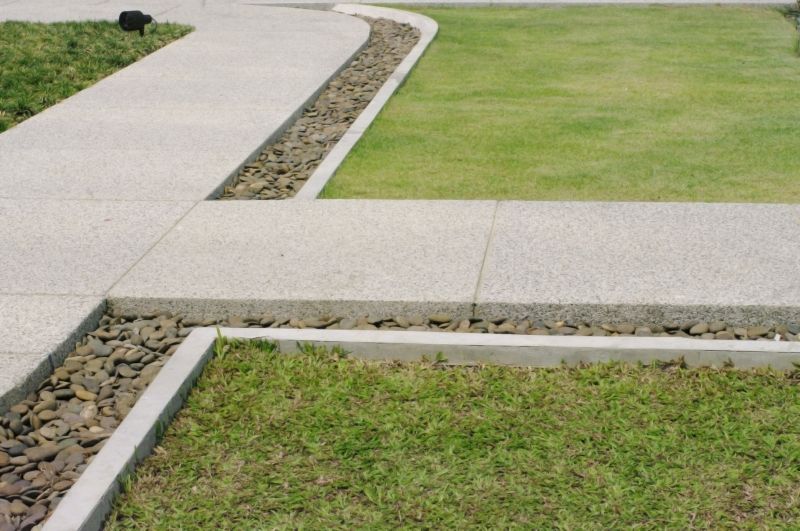
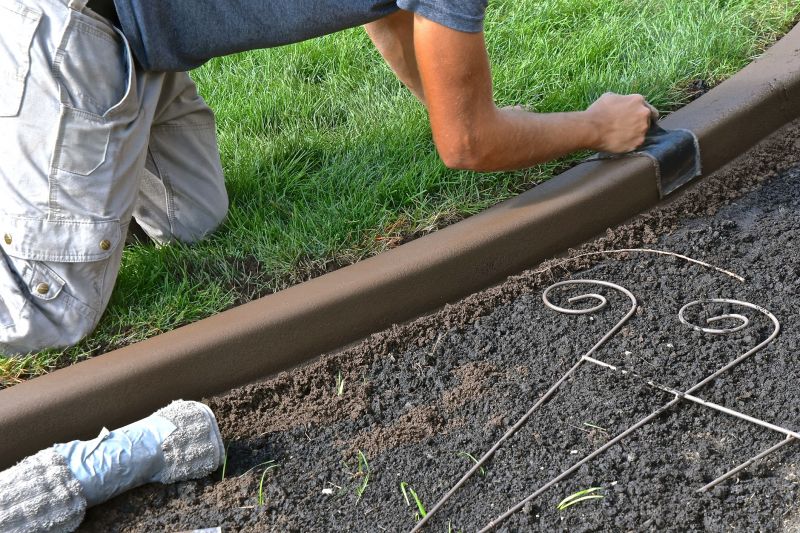
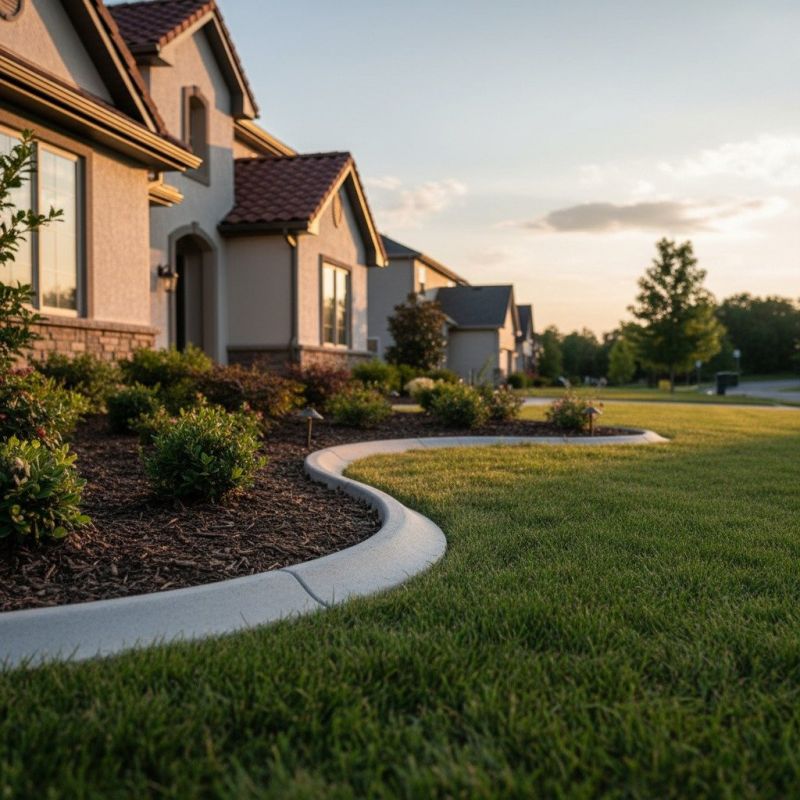
Concrete edging installation involves creating durable, clean borders around garden beds, walkways, lawns, or other landscaped areas. This service typically includes preparing the ground, shaping the edge, and installing concrete in a way that provides a sturdy and visually appealing boundary. The process often involves pouring and smoothing concrete to form a seamless, long-lasting edge that can withstand foot traffic, weather conditions, and general wear over time. Professional contractors use specialized tools and techniques to ensure the finished border is level, neat, and integrated smoothly with the surrounding landscape.
One of the main benefits of concrete edging is its ability to address common landscaping problems such as soil erosion, weed encroachment, and uneven lawn borders. Without a proper boundary, garden beds can spill over into lawns or walkways, creating a messy appearance and making maintenance more difficult. Concrete edging helps contain mulch, gravel, or soil, preventing it from spreading into unwanted areas. It also provides a clear separation between different landscape elements, making it easier to maintain neat, defined borders and reducing the time spent on upkeep.
Concrete edging is often chosen for properties that require a robust, low-maintenance solution to define outdoor spaces. It is popular among homeowners with landscaped gardens, commercial property managers, and property owners with large yard areas. Residential properties with flower beds, driveways, or patios frequently benefit from concrete borders to enhance curb appeal and create a polished look. Additionally, properties with uneven terrain or areas prone to erosion find concrete edging useful for stabilizing soil and preventing shifting or settling over time.
Homeowners who notice issues like soil spilling into walkways, weeds growing in unwanted areas, or a lack of clear boundaries may consider concrete edging installation. It is also a practical choice for those seeking a long-lasting, low-maintenance border that can withstand the elements and heavy use. Local contractors can assess the landscape, recommend suitable edging options, and handle the installation process to ensure the results meet the specific needs of each property. Contacting experienced service providers can help determine if concrete edging is the right solution to improve both the function and appearance of outdoor spaces.
The overview below groups typical Concrete Edging Installation projects into broad ranges so you can see how smaller, mid-sized, and larger jobs often compare in your area.
In many markets, a large share of routine jobs stays in the lower and middle ranges, while only a smaller percentage of projects moves into the highest bands when the work is more complex or site conditions are harder than average.
Smaller Repairs - Typical costs for minor concrete edging repairs range from $250 to $600. Many routine fixes fall within this range, depending on the extent of damage and the size of the area.
Standard Installation - Installing new concrete edging usually costs between $1,000 and $3,000 for most residential projects. Local contractors often handle these jobs within this middle range, with some variation based on project complexity.
Large or Complex Projects - Larger, more intricate concrete edging installations can reach $4,000 to $8,000 or more. Fewer projects fall into this tier, typically reserved for extensive or custom designs requiring additional labor and materials.
Full Replacement - Replacing existing concrete edging entirely can cost from $3,000 to $10,000+, depending on the size and scope. Many local pros can provide estimates within this range, with costs increasing for larger or more detailed work.
Actual totals will depend on details like access to the work area, the scope of the project, and the materials selected, so use these as general starting points rather than exact figures.
Paver Pathway Installation - involves preparing the ground and laying durable materials, similar to the planning and surface preparation needed for concrete edging projects.
Garden Bed Border Construction - requires precise planning and the use of tools to create clean, defined edges around planting areas, akin to concrete edging work.
Retaining Wall Building - involves structural planning and the use of tools to create stable, level boundaries, paralleling the skills used in concrete edging installation.
Driveway Expansion Projects - includes surface preparation and concrete work, which share techniques and planning considerations with edging installation.
Patio Base Preparation - requires ground leveling and surface finishing, similar to the groundwork involved in concrete edging services.
Landscape Curving and Shaping - involves designing and executing curved borders with precise tools, closely related to the skills used in concrete edging installation.
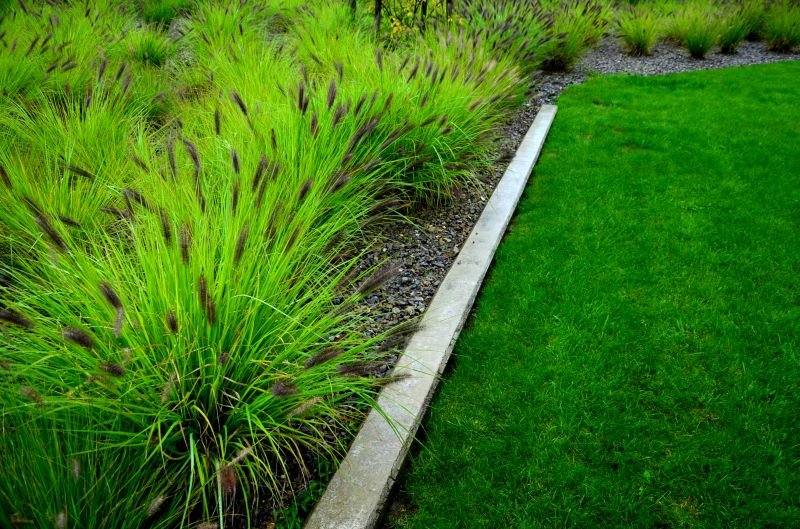
When evaluating potential contractors for concrete edging installation, it’s important to consider their experience with similar projects. Homeowners should inquire about how long a service provider has been working in the local area and whether they have completed projects comparable in size and style to what is desired. A contractor with a proven track record of handling concrete edging can offer insights into what works well and help ensure the results meet expectations. Checking for a history of successful local projects can provide confidence that the contractor understands the specific conditions and standards of the area.
Clear, written expectations are essential to a smooth project. Homeowners should seek service providers who can articulate their process, materials, and scope of work in detail. Having a written outline helps prevent misunderstandings and ensures everyone is aligned on the project’s goals. It’s also helpful to ask for reputable references from previous clients, particularly those who had similar work done. Contacting references can provide firsthand insights into the contractor’s reliability, quality of work, and professionalism, making it easier to determine if a particular service provider is a good match.
Effective communication is a key factor when comparing local contractors for concrete edging services. Homeowners should look for service providers who are responsive, transparent, and willing to answer questions thoroughly. Good communication fosters a collaborative relationship and can make the process more efficient and less stressful. By discussing expectations openly and ensuring the contractor listens carefully, homeowners can feel more confident in their choice. Remember, this site’s role is to introduce homeowners to local options-contractors who can handle the work-rather than performing the installation itself.
Property owners use Concrete Edging Installation services for practical projects around their homes and businesses. This guide focuses on everyday jobs and straightforward project options.
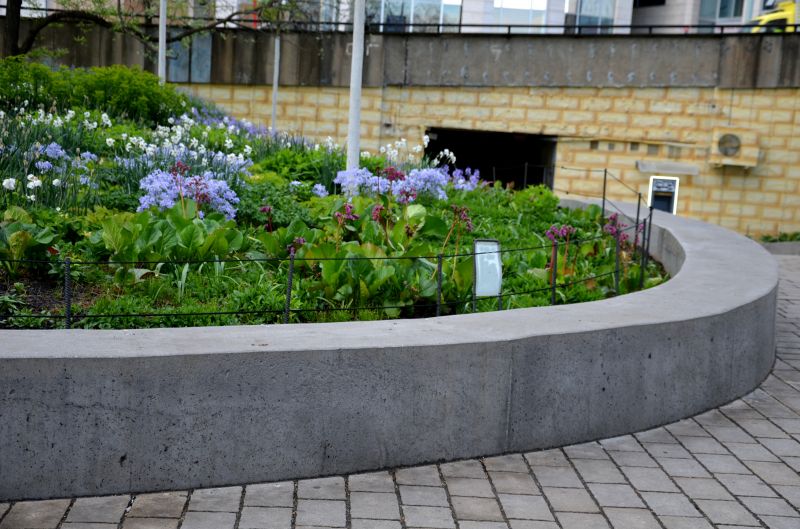
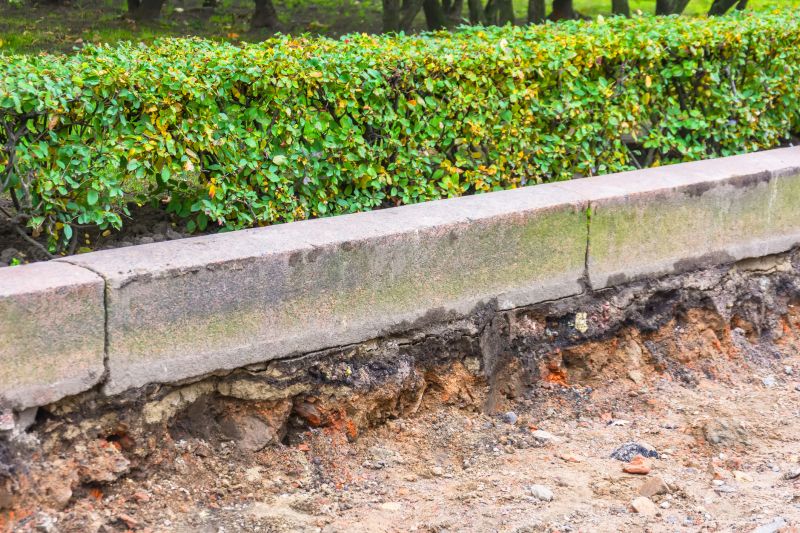
Concrete edging installation is a common project for property owners looking to define garden beds, create clean borders around lawns, or enhance the overall landscape appearance. Homeowners often seek local contractors to help with these tasks when updating or maintaining their outdoor spaces, whether for a fresh look or to improve curb appeal. These services can also be useful for those needing durable, low-maintenance borders that stand up to weather and regular use, making outdoor areas safer and more organized.
Many property owners in the area turn to local service providers for concrete edging when planning landscaping improvements or repairs. Whether installing new borders around flower beds or replacing aging edging, local contractors can handle a variety of project sizes and styles. Connecting with experienced professionals ensures the work is completed efficiently and to the property owner’s preferences, helping to create a polished and well-defined outdoor environment.
What is concrete edging installation? Concrete edging installation involves creating durable borders around garden beds, lawns, or pathways using poured or precast concrete to define spaces and prevent soil or mulch from spilling over.
What types of concrete edging are available? There are various options including poured concrete, concrete blocks, and precast concrete strips, each offering different styles and levels of customization for outdoor spaces.
Can concrete edging be customized to fit specific landscape designs? Yes, local contractors can tailor concrete edging to match the desired height, shape, and finish, ensuring it complements the overall landscape.
Is concrete edging suitable for different soil types and terrains? Concrete edging is generally adaptable to various soil conditions and terrains, with local service providers able to recommend the best options for specific landscapes.
What maintenance is required for concrete edging? Concrete edging typically requires minimal maintenance, but occasional cleaning and sealing can help preserve its appearance and durability over time.
Garden Bed Edging - Property owners can define garden beds and separate planting areas for a neat, organized look with professional concrete edging.
Pathway Borders - Installing concrete edging along walkways helps create clear boundaries and a clean appearance around paths and patios.
Lawn and Turf Edging - Concrete borders can be used to keep grass and turf in designated areas, reducing maintenance and preventing overgrowth.
Driveway Edging - Enhancing the edges of driveways with concrete provides a durable, attractive border that improves curb appeal.
If you are thinking about Concrete Edging Installation for a property, this guide is meant to help you understand the work, the typical project types, and how different options might fit your plans.
When you are ready, you can use the quote form on this page to share a few details about your project. From there, local pros can review the basics and respond with options that match what you have in mind.