Optimal Timing for Seawall Installations
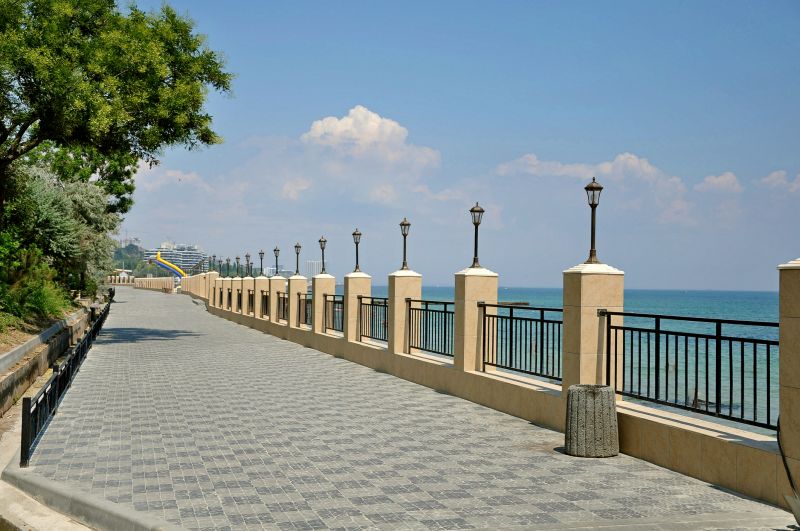
Low tide periods provide optimal conditions for seawall installation, offering easier access and reduced water interference.

Spring and fall often present favorable weather conditions, minimizing delays caused by storms or extreme temperatures.
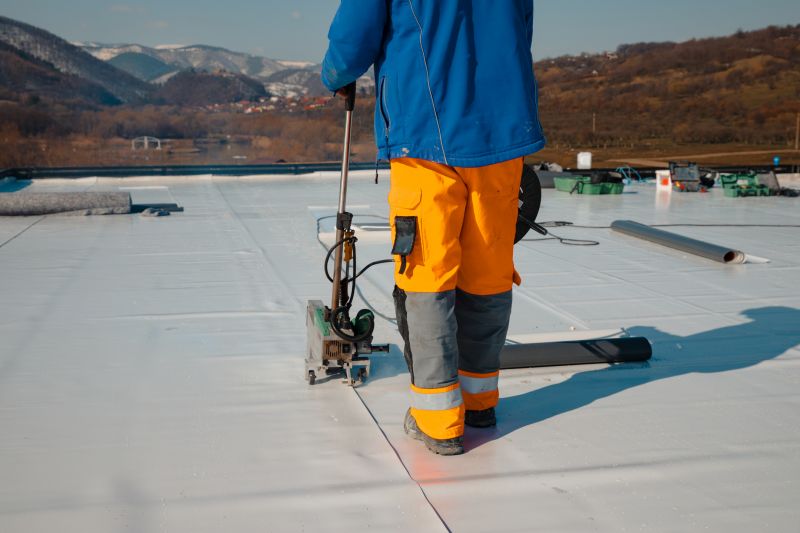
Dry weather with minimal rainfall reduces risks and ensures the stability of construction materials during installation.
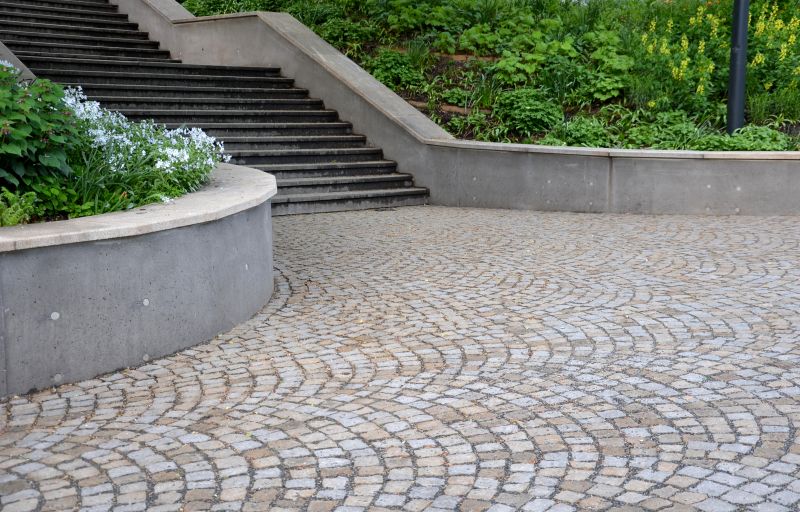
Ways to make Seawall Installations work in tight or awkward layouts.
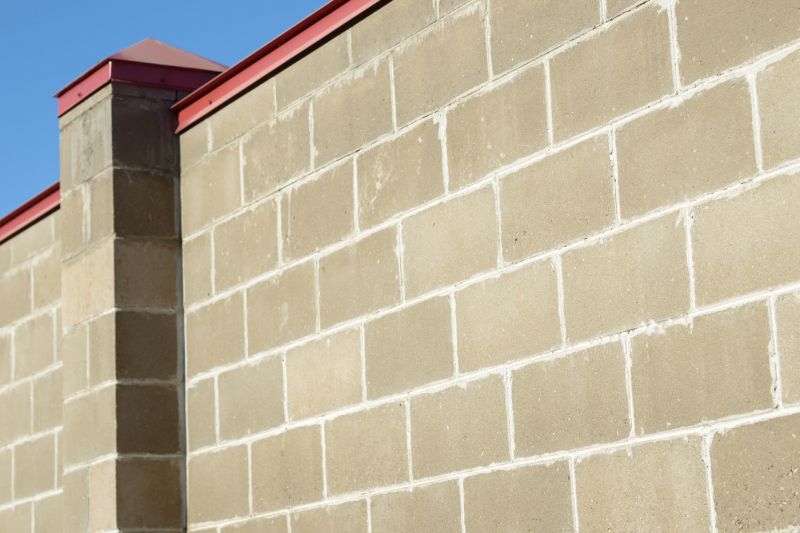
Popular materials for Seawall Installations and why they hold up over time.
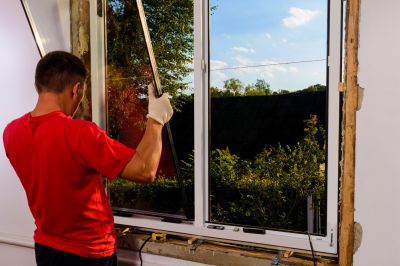
Simple add-ons that improve Seawall Installations without blowing the budget.
Seawall installations are most effective when conducted during periods of stable weather and low water levels. Timing can influence project safety, cost, and durability. Installing during favorable conditions minimizes disruptions and ensures adherence to project timelines. Seasonal considerations, such as avoiding hurricane seasons or winter storms, are crucial for successful seawall construction.
Statistics indicate that over 60% of seawall projects experience delays or complications when scheduled during adverse weather conditions. Proper timing reduces the risk of structural issues and extends the lifespan of the seawall. Planning installations during optimal windows can lead to cost savings and improved long-term performance.
Tides, wind, and rain patterns significantly impact installation schedules and safety protocols.
Most seawall projects take between several days to a few weeks, depending on size and site conditions.
Timing also involves scheduling inspections after installation to ensure structural integrity.
Seasonal shifts can affect material curing times and construction safety measures.
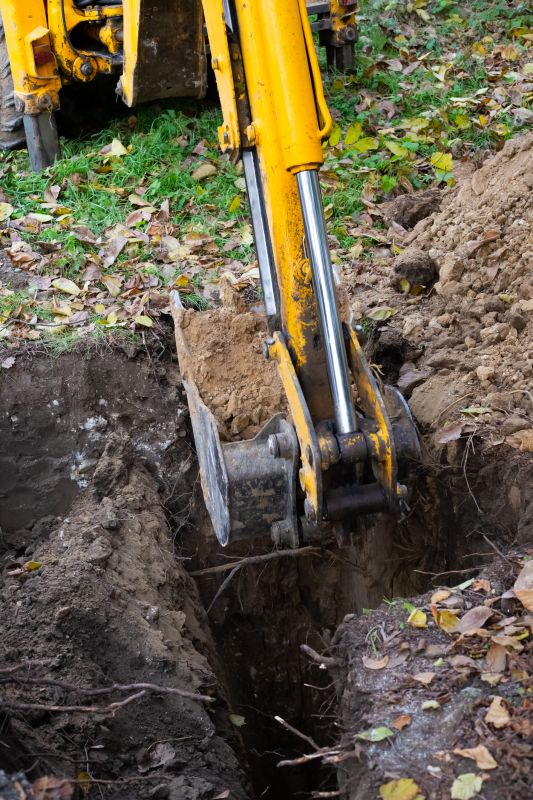
Heavy machinery working during optimal weather conditions.
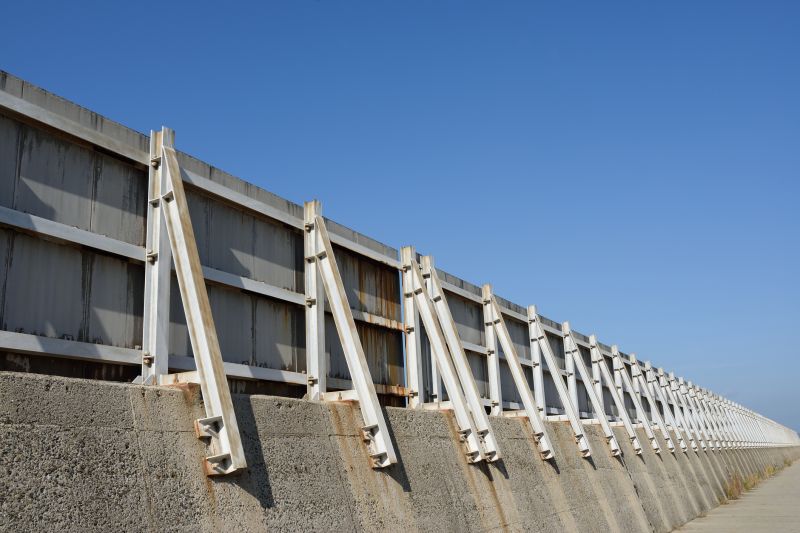
Personnel executing installations during ideal tide and weather periods.

Blueprints and planning sessions before installation.
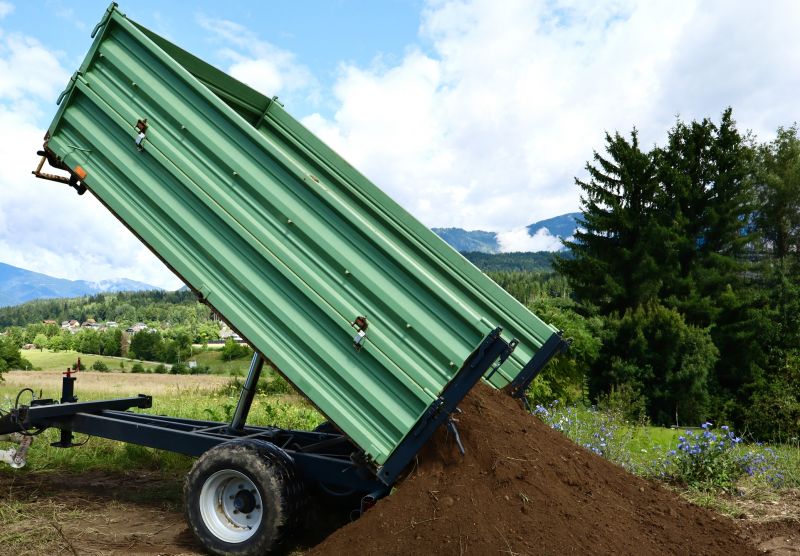
Transporting materials during dry, stable weather for efficiency.
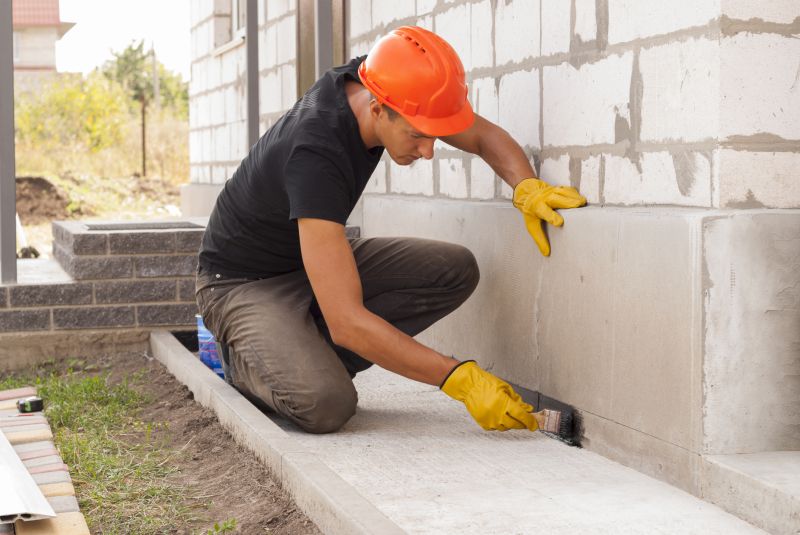
Assessing site conditions to determine best installation timing.
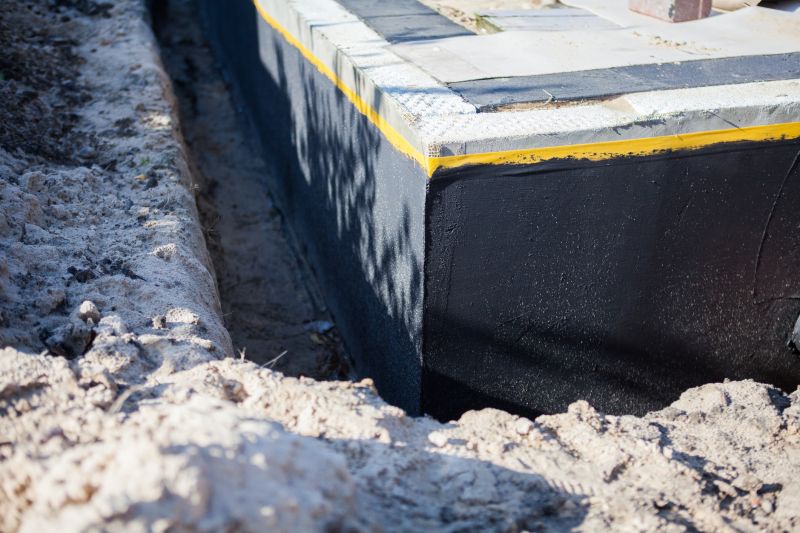
Ensuring quality and stability after installation.
Effects of weather events on seawall durability.
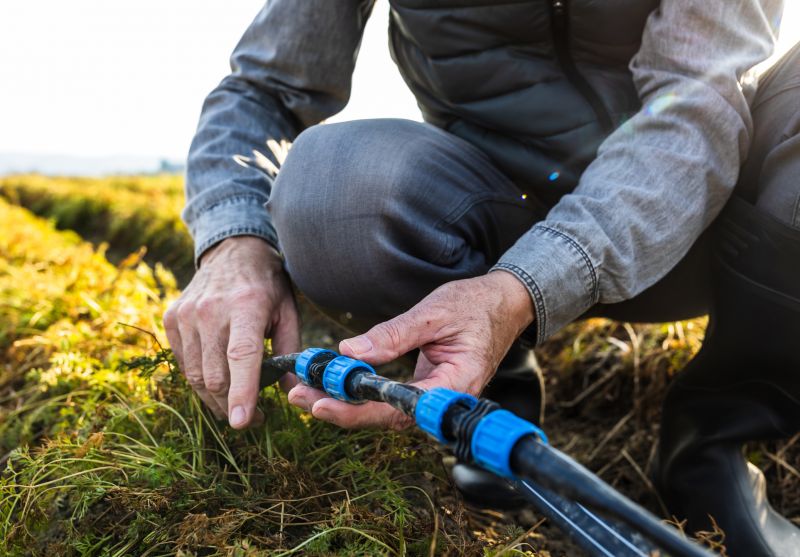
Scheduling maintenance during favorable seasons.
| Timing Factor | Details |
|---|---|
| Weather Conditions | Dry, stable weather minimizes delays and safety risks. |
| Tide Levels | Low tide periods provide better access and working conditions. |
| Seasonal Weather | Spring and fall often offer optimal weather windows. |
| Storm Season | Avoid installation during hurricane or storm seasons. |
| Temperature | Moderate temperatures prevent material issues and worker discomfort. |
| Environmental Restrictions | Timing must consider local environmental regulations. |
| Project Duration | Longer projects benefit from scheduling during favorable periods. |
| Inspection Windows | Post-installation inspections should align with suitable weather days. |
Choosing the right time for seawall installation involves analyzing weather patterns, tide schedules, and seasonal conditions. Proper timing ensures safety, reduces costs, and enhances the longevity of the seawall. Consulting with experienced professionals can help identify the most suitable windows for each project.
Interested parties are encouraged to contact for detailed planning and scheduling assistance to ensure seawall installations are completed efficiently and effectively during optimal periods.